

GPT-5.4 was released — and I didn’t even know about it.
I only found out two days later, scrolling through Twitter. By then, people had already built demos, written reviews, and moved on to the next thing. Meanwhile, I was still debugging a CSS grid layout.
The Speed of AI in 2026
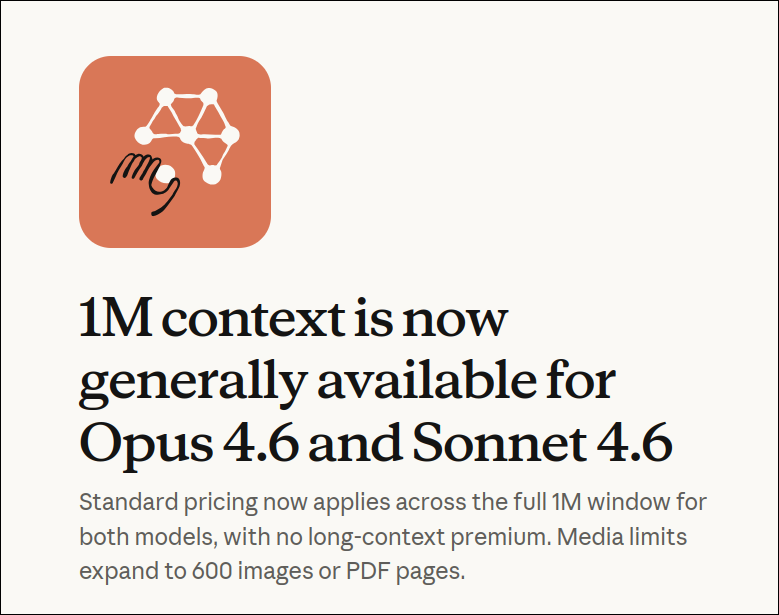
The pace is relentless. In February alone, we saw 17 major AI product launches in just 26 days. Each one making the previous feel ancient. GPT-5.4 wasn’t just an incremental update — it could reason through multi-step problems, write production-grade code, and even debug its own outputs.
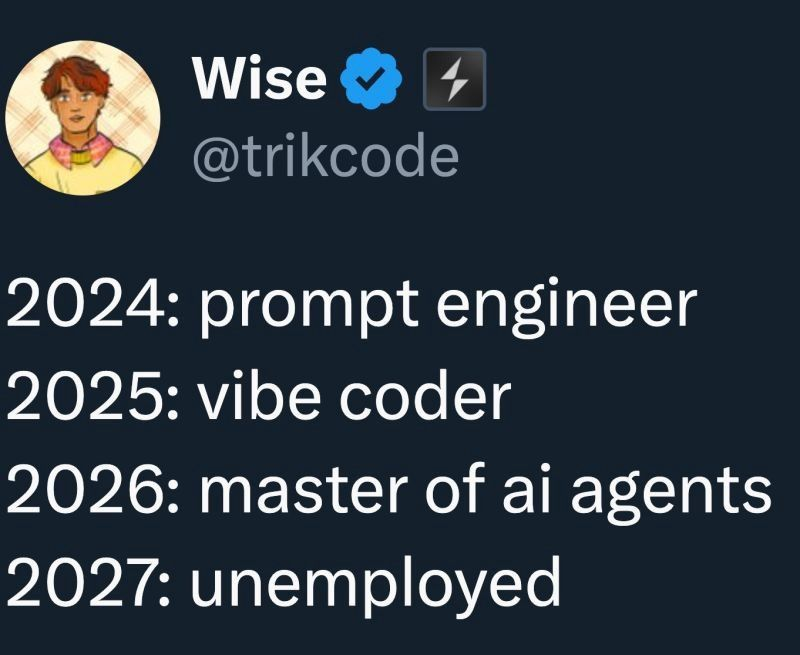
As a developer, this hits different. The tool I’m supposed to master keeps evolving faster than I can learn it.
The FOMO Is Real
There’s a particular kind of anxiety that comes from knowing you’re falling behind in something that directly affects your career. It’s not like missing a movie — it’s like missing the boat.
Every day there’s a new framework, a new model, a new “this changes everything” announcement. And you’re supposed to keep up while also doing your actual job.
But Here’s What I’ve Learned
You can’t keep up with everything. And that’s okay. The developers who thrive aren’t the ones who chase every shiny new release. They’re the ones who:
- Build fundamentals — understanding how things work matters more than knowing every tool
- Ship consistently — a working project beats 100 bookmarked tutorials
- Stay curious but selective — pick your battles, go deep on what matters to your work
My Strategy Going Forward
I’ve decided to stop trying to be on the bleeding edge of everything. Instead, I’ll focus on:
- One major AI tool deeply (Claude for now)
- Building real projects that solve real problems
- Writing about what I learn — because teaching is the best way to learn
The AI race isn’t going to slow down. But I can choose how I run it.

Comments
Join the conversation
Leave a comment
No comments yet
Be the first to share your thoughts!