

February 2026 was absolute chaos in the AI world. In just 26 days, we witnessed over 17 major product launches. Let me walk you through the highlights.
The Timeline
It started with Google dropping Gemini 2.0 Flash on February 5th, and it didn’t stop. Here’s a condensed timeline of what happened:
- Feb 5 — Google Gemini 2.0 Flash: faster, cheaper, better at reasoning
- Feb 7 — OpenAI GPT-5.4 Preview: the one that made everyone panic
- Feb 10 — Anthropic Claude 3.5 Opus: finally competitive with GPT-5
- Feb 12 — Meta Llama 4: open source catches up (again)
- Feb 14 — Mistral Large 3: Europe enters the chat
- Feb 18 — DeepSeek V3: China’s dark horse
- Feb 20 — Cursor 2.0: AI-first IDE goes mainstream
- Feb 22 — GitHub Copilot X: workspace-aware coding
- Feb 24 — Perplexity Enterprise: AI search for business
- Feb 26 — Sora 2.0: video generation that actually works
And these are just the highlights. There were dozens more smaller launches, updates, and announcements.
What This Means for Developers
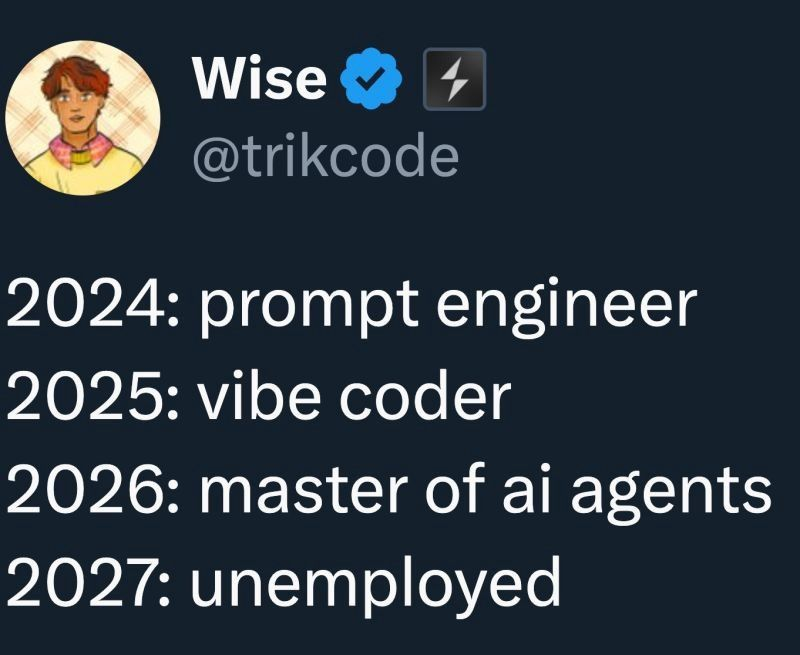
The gap between “knowing AI” and “not knowing AI” is widening fast. A developer in 2026 who doesn’t use AI tools is like a developer in 2010 who didn’t use Stack Overflow — technically possible, but increasingly disadvantaged.
The Hopeless Perspective
Here’s the uncomfortable truth: we’re not just competing with other developers anymore. We’re competing with AI + developers. The bar keeps rising, and the floor keeps dropping.
Dr. Pham Hy Hieu left OpenAI due to burnout and returned to Vietnam. Even the people building AI can’t keep up with AI.
But Also: Opportunity
Every disruption creates opportunity. The developers who learn to work WITH AI — not against it — will be the ones who thrive. The key is not to panic, but to adapt.
As one Reddit user on r/ClaudeAI put it: “Software engineer positions will never die — they’ll just evolve.”
I choose to believe that. For now.

Comments
Join the conversation
Leave a comment
No comments yet
Be the first to share your thoughts!